
Safe Shipping and At-Home Storage of Peptides: A Researcher’s Guide
Introduction: Will Shipping Damage My Peptide?
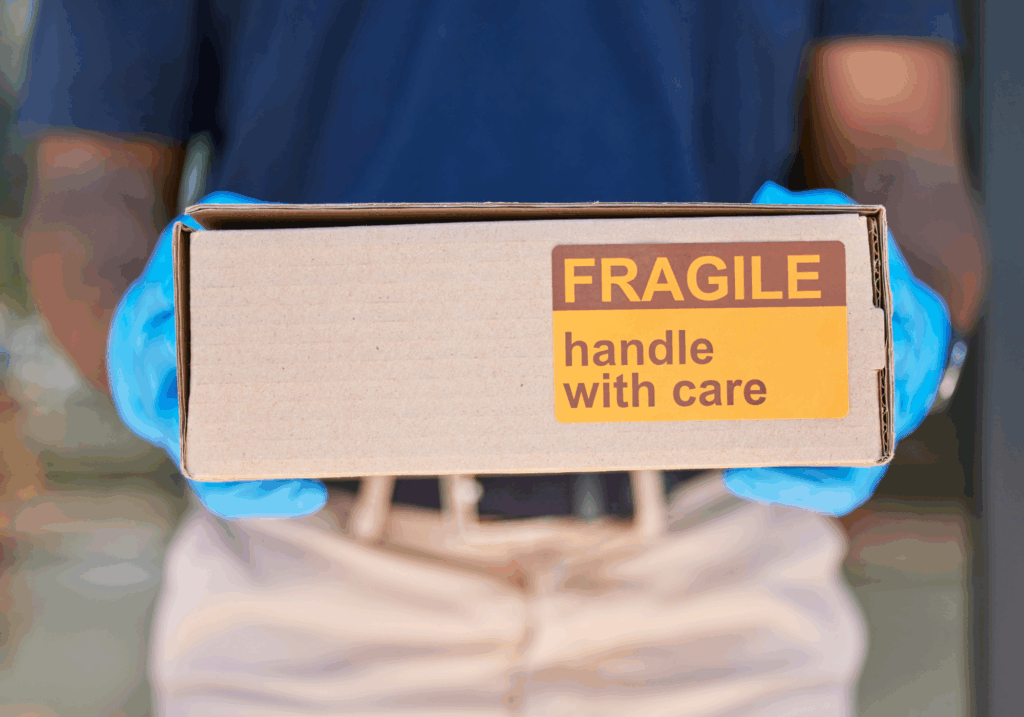
This is one of the most common questions researchers ask before ordering peptides online. The short answer: No, when packaged correctly. Because PekCura Labs ships all peptides in lyophilized (freeze-dried) form using Cool Shield insulated mailer packaging and pharmaceutical-grade vacuum-sealed vials, your research materials can survive multi-day transit with minimal degradation.
Understanding how to protect peptides during shipping and after arrival is critical for maintaining experimental integrity. This guide explains the science behind safe peptide transport and provides evidence-based storage protocols for your laboratory.
Why Lyophilized Peptides Survive Shipping Better Than Solutions
Lyophilized peptides demonstrate significantly greater stability than reconstituted solutions. The removal of water during freeze-drying fundamentally changes the degradation kinetics by:
Reducing hydrolysis rates: Water is required for hydrolytic cleavage of peptide bonds. In the dry state, this degradative pathway is nearly eliminated.
Limiting molecular mobility: Solid-state peptides have restricted molecular movement, which dramatically slows oxidation, deamidation, and other side reactions that require molecular collision.
Extending room temperature stability: Published data indicates that properly lyophilized peptides can maintain stability for weeks to months at ambient temperature, depending on sequence composition and packaging conditions. In contrast, peptides in aqueous solution typically degrade within days even under refrigeration.
However, lyophilization alone does not guarantee stability. Environmental factors including heat, moisture, light, and oxygen exposure can still compromise peptide integrity during transit and storage.
How Thermal Packaging Protects Your Research Materials
Multi-day shipping exposes peptides to variable environmental conditions. PekCura Labs uses Cool Shield insulated mailer packaging, which provides multiple layers of protection for your research materials during transit:
Temperature Control
The Cool Shield insulated material slows heat transfer into the package interior, while phase-change materials (cold packs) absorb thermal energy over time. This creates a temperature buffer that can maintain stable internal conditions even when external temperatures fluctuate.
The key is proper sizing. Cold packs must be oversized relative to the expected heat load to provide an adequate safety margin. The Cool Shield design ensures the interior temperature lags behind ambient changes, tolerating brief exposure to warm conditions during transfers between facilities.
Moisture Barrier
Humidity ingress can partially rehydrate lyophilized peptides, accelerating degradation. Sealed vapor barriers, desiccant packets, and airtight vial closures work together to maintain low humidity levels inside the package.
At PekCura Labs, every vial features a tear-off aluminum cap with a butyl rubber seal that is machine-pressed, machine-crimped, and vacuum-sealed. This pharmaceutical-grade closure system provides a hermetic seal that prevents moisture and oxygen ingress during transit and storage. The vacuum seal ensures the lyophilized peptide remains in an inert environment from manufacturing through delivery to your laboratory.
Light Protection
Many peptide sequences contain photosensitive residues, particularly tryptophan. PekCura Labs packages light-sensitive peptides in amber vials that block UV and visible light wavelengths known to trigger photodegradation.
The Cool Shield insulated mailer packaging provides an additional layer of light protection during transit, shielding vials from exposure until they reach your laboratory. This dual protection system ensures photosensitive peptides maintain their integrity throughout the shipping process.
Limitations to Understand
Thermal packaging provides finite protection. Once cold packs warm to ambient temperature, their buffering capacity is exhausted. This is why validation testing, temperature monitoring, and proper package design are essential components of a reliable shipping protocol.
Laboratory Storage Protocols for Lyophilized Peptides
Proper storage after arrival is critical for preserving peptide quality throughout your research timeline. Follow these evidence-based protocols:
Equilibrate Before Opening
Always allow sealed vials to reach room temperature before opening. This prevents atmospheric moisture from condensing onto the cold peptide powder, which would introduce water and accelerate degradation.
Place the sealed vial on your benchtop for 15-30 minutes before breaking the seal. When ready to open, remove the tear-off aluminum cap and use a sterile needle to pierce the butyl rubber seal for sampling. Never remove the rubber stopper completely unless you plan to transfer the entire contents immediately. The intact butyl seal, even after needle puncture, provides better moisture protection than an open vial.
This simple equilibration step prevents one of the most common causes of peptide degradation in laboratories.
Minimize Air Exposure
Open vials only when necessary and reseal immediately after sampling. For peptides containing cysteine, methionine, or tryptophan, consider purging the vial headspace with nitrogen or argon before resealing to displace oxygen.
Every exposure to atmospheric oxygen and moisture increases the risk of degradation. Plan your aliquoting strategy to minimize the number of times you must open the original vial.
Use Desiccants and Airtight Storage
Store vials in containers with fresh desiccant packets to maintain a dry environment. Replace desiccants regularly, as their moisture absorption capacity is finite.
PekCura Labs vials feature pharmaceutical-grade butyl rubber seals that maintain an airtight barrier even after needle puncture for sampling. However, additional protection with desiccant storage is still recommended for long-term stability. Store vials upright to maintain optimal seal contact and prevent any potential moisture ingress through the puncture site.
Select Appropriate Storage Temperature
Storage temperature requirements depend on your experimental timeline:
Short-term storage (weeks): 2-8 degrees C (or 36-46 degrees F, standard laboratory refrigerator) is acceptable for sealed, dry vials. However, ensure the vial is not opened while cold to prevent condensation.
Long-term storage (months to years): -20 degrees C or -80 degrees C (-4 to -112 degrees F) provides optimal stability. Most lyophilized peptides remain stable for years at these temperatures when protected from moisture.
Critical rule: Avoid repeated freeze-thaw cycles. If you need to use a peptide multiple times, aliquot it into smaller portions immediately after the first opening, then store aliquots separately. This prevents the original stock from undergoing multiple temperature transitions.
Protect From Light
Store all vials in light-blocking containers or laboratory drawers to minimize exposure to ambient lighting. Even brief exposure to laboratory lighting can degrade photosensitive peptide sequences over time.
PekCura Labs packages light-sensitive peptides in amber vials that provide UV and visible light protection. For additional protection during storage, keep amber vials in their original packaging or in enclosed storage boxes. Peptides in clear vials should be wrapped in aluminum foil or transferred to amber vials if long-term light exposure is a concern.
Visual Inspection for Quality
Before each use, inspect the lyophilized cake for signs of degradation:
- Color changes (yellowing, darkening)
- Physical changes (cake collapse, crystallization, clumping)
- Moisture absorption (sticky or gel-like appearance)
- Seal integrity (check that the aluminum tear-off cap is intact and the butyl seal shows no signs of damage or compromise)
The vacuum-sealed closure should show no evidence of leakage or pressure loss. If the tear-off cap appears loose, damaged, or if you suspect the vacuum seal has been compromised, contact PekCura Labs immediately before using the peptide.
Any of these observations may indicate compromised quality. When in doubt, contact your supplier for guidance or request analytical testing.
Analytical Verification
For critical experiments, periodically verify peptide purity using RP-HPLC or mass spectrometry. This is particularly important for peptides stored long-term or peptides with known stability liabilities.
At PekCura Labs, every vial includes a QR code linking to the Certificate of Analysis with full purity data for that specific batch. Compare your analytical results to the original COA to assess any degradation over your storage period.
Storage Summary: Quick Reference Guide
Before Opening:
- Warm sealed vial to room temperature (15-30 minutes)
- Never open cold vials
- Verify aluminum tear-off cap and vacuum seal integrity
During Use:
- Remove tear-off cap, pierce butyl seal with sterile needle
- Keep rubber stopper in place (do not remove)
- Minimize opening time
- Consider inert gas purge for sensitive sequences
- Reseal immediately
Storage Conditions:
- Short-term: 2-8 degrees C, sealed and dry (36 to 46 degrees F)
- Long-term: -20 degrees C or -80 degrees C (-4 to -112 degrees F)
- Always use desiccants
- Store vials upright
- Protect from light
- Avoid freeze-thaw cycles
Quality Monitoring:
- Visual inspection before each use
- Check seal integrity and vacuum maintenance
- Periodic analytical testing for critical peptides
- Compare results to Certificate of Analysis
Conclusion: Maintaining Peptide Integrity From Delivery to Data
Lyophilized peptides are remarkably stable when handled correctly. PekCura Labs’ comprehensive protection system – Cool Shield insulated mailer packaging, pharmaceutical-grade vacuum-sealed vials, amber glass for light-sensitive compounds, and temperature monitoring – combined with disciplined laboratory storage practices ensures your research materials maintain their quality from our facility to your final experiment.
By understanding the principles behind peptide stability and following evidence-based handling procedures, you can confidently work with shipped peptides knowing they will perform as expected in your assays.